
Kelas TUNAI: Bringing Financial Literacy to the Shores of Nuca Molas
As part of Education For All 2026, our main sponsors brought practical money lessons to fishers and small business owners in a 3T village, because a child's education often starts with the family's finances.
4 min(s) read
•
November 22, 2026
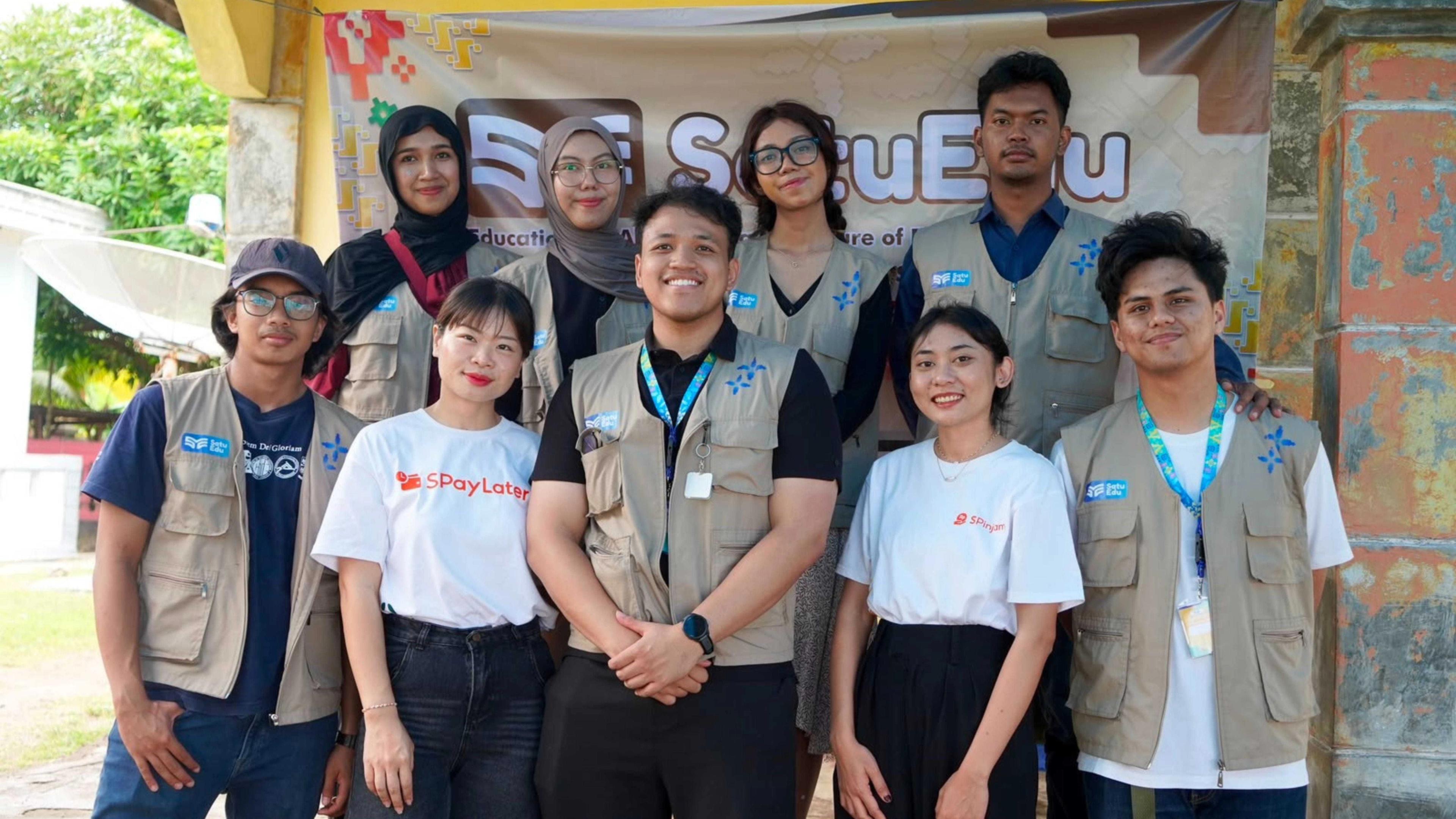
When we set out to bring Education For All to Nuca Molas, we knew education doesn't stop at the school gate. Nuca Molas Village, in Satar Mese Barat District, Manggarai Regency, lies on Mules Island, about a twenty-minute boat ride from the mainland. Its savannas, white sand, and open sea draw visitors from across the country, yet the island has only three elementary schools, one junior high school, and no senior high school. Children who want to continue their studies must move to Ruteng, 70 kilometers away, and many stop after junior high, especially when their families cannot afford to send them.
Through Education For All, we came with three programs designed around the community's needs: Sehati for the children, a Focus Group Discussion with teachers, parents, and village officials, and Larasati to broaden children's dreams for the future. Throughout these activities, one theme kept surfacing in our conversations with parents and teachers: a family's economic condition often decides how far a child can go in school.
That is where Kelas TUNAI came in.
Financial Literacy as Part of Education
On 3 August 2026, our main sponsors, ShopeePay, SeaBank, PT Commerce Finance, and PT Lentera Dana Nusantara, held Kelas TUNAI, an in-person financial education class, for the community of Konggang hamlet. Kelas TUNAI is their financial education program for micro, small, and medium enterprise (MSME) owners, and bringing it to Nuca Molas extended its reach to one of Indonesia's underdeveloped, frontier, and outermost (3T) regions.
For us, the class completed the picture of what we were trying to do. Our own programs worked with children, teachers, and parents on learning and the future of the village's schools. Kelas TUNAI worked with the adults who manage the household's money, the same people who decide whether a child can keep going to school.
Inside the Class
Participants came from many walks of life, many of them fishers and small business owners whose livelihoods depend on the sea, livestock, and the island's growing tourism. The facilitators kept the material simple and close to their everyday lives. They began by identifying where money comes in and where it goes out, then moved on to differentiating needs from wants, setting spending priorities, and putting together a budget. From there, the session shifted to building a saving habit and staying alert to the risks of digital financial transactions.
Because the class was held face-to-face, it felt less like a lecture and more like a conversation. Participants asked questions and linked each concept to the situations they face every day. The goal was not to memorize financial terms, but to start small habits, especially saving, that fit each family's needs and means.
What We Heard
One participant, Jaluh (66), a former teacher, felt the lessons spoke directly to life on the Nuca Molas coast, where household spending is often not well measured. He also saw the benefits beyond parents, reaching their children and the next generation, including support for their education.
His view echoed what we heard throughout Education For All: parents in Nuca Molas want a better future for their children, and education sits at the center of that hope. Alongside the class, the collaboration also delivered school supplies to local children, support that goes straight to classrooms that still run on chalkboards and worn wooden desks.
Lesson Learned
Kelas TUNAI reminded us that improving education in a place like Nuca Molas cannot rely on schools alone. A child's chance to stay in school is shaped by the choices made at home, and those choices are shaped by how well a family can manage what it earns. When financial literacy and education go hand in hand, a community gains not only knowledge but also the means to act on it.
This journey would not have been possible without the support of our partners. We would like to extend our deepest gratitude to ShopeePay, SeaBank, PT Commerce Finance, and PT Lentera Dana Nusantara for standing with us as the main sponsors of Education For All 2026. Beyond supporting our programs, they brought Kelas TUNAI to Nuca Molas and helped deliver school supplies to the children. This shows that real change grows when many hands work together. We hope this is only the beginning of many more collaborations that bring quality education to communities across Indonesia.
Written by Glorian Fenanry Patulak
Find More Articles
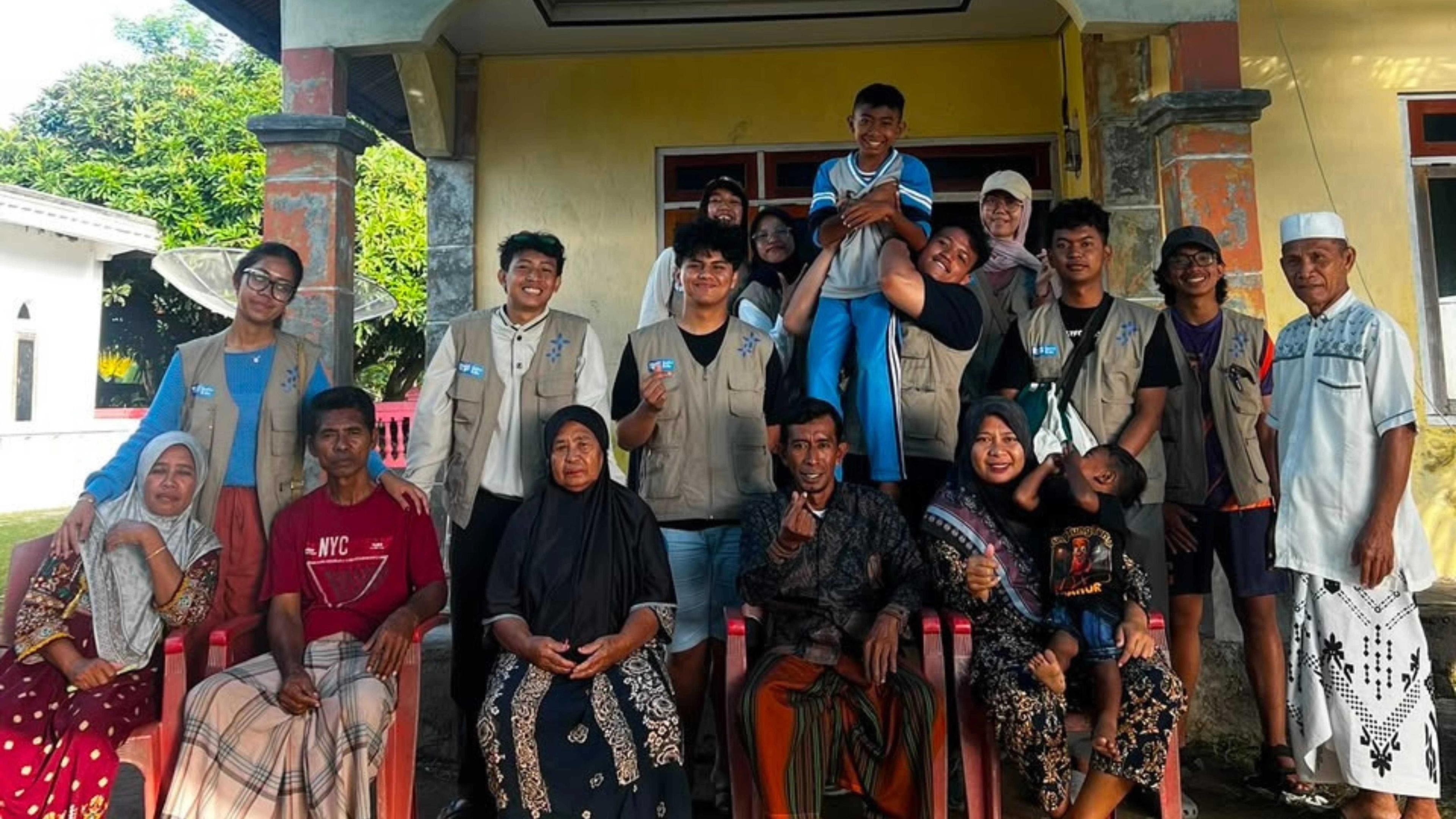
Education for All: Shaping the Future of Education
Nurturing the dreams of Nuca Molas’ children through learning and collaboration, together paving the way for better education for all.
Systematic Frameworks for Designing Event from Its Root Cause
A systematic framework for identifying educational gaps and designing sustainable intervention programs for underprivileged schools in Bandung.

Curriculum Changes: Improving Quality or Increasing the Burden of Education?
A Study and Reflection on Curriculum Reform in Indonesia